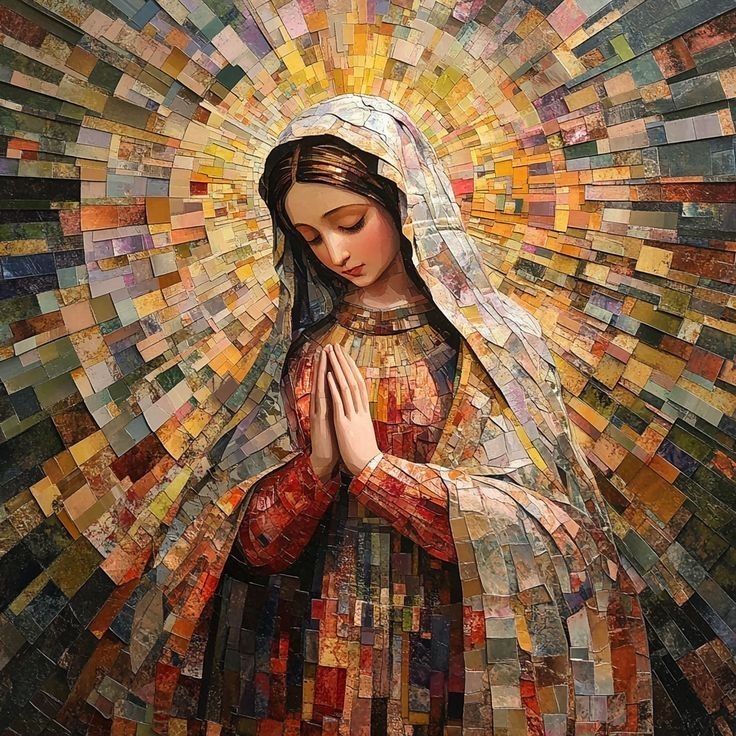
Our Lady of Sorrows, depicted as “Mater Dolorosa” (Mother of Sorrows) has been the subject of some key works of Roman Catholic Marian art. In other representations the Virgin Mary is depicted with seven swords in her heart, a reference to the prophecy of Simeon at the Presentation of Jesus at the Temple.
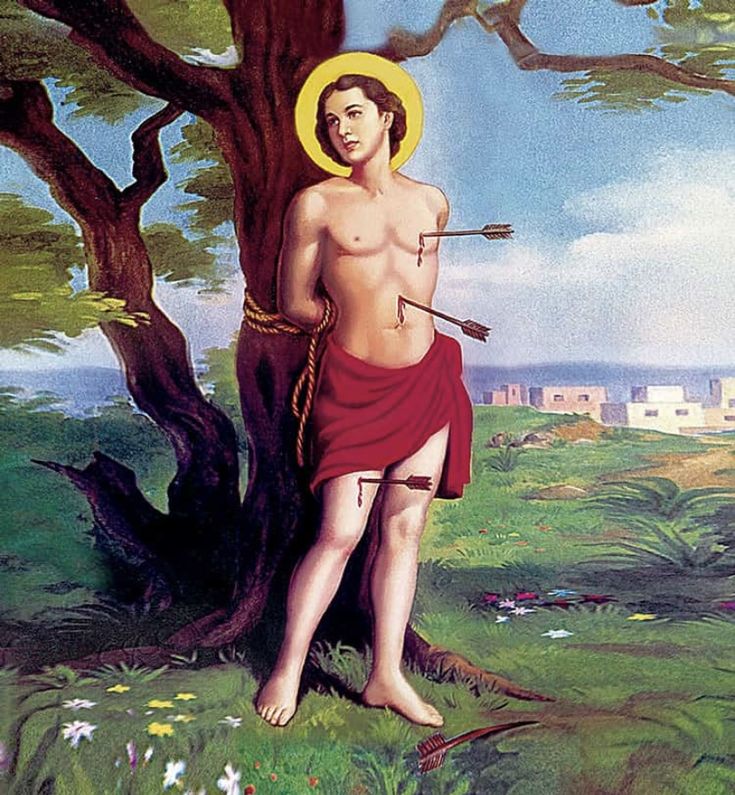
St. Sebastian was a Roman soldier and early Christian martyr (d. c. 288 AD), renowned for his secret support of persecuted Christians during the reign of Emperor Diocletian. A captain of the Praetorian Guard, he maintained his Christian faith in secret until it was discovered, leading to his condemnation.
According to tradition, Sebastian was tied to a post and shot with arrows, surviving this initial execution attempt through what was regarded as a miraculous recovery. After confronting Emperor Diocletian again for his persecution of Christians, he was executed a second time this time by clubbing securing his place among the most revered early martyrs.
St. Thomas, most commonly known as Saint Thomas the Apostle, was one of the twelve disciples of Jesus Christ. Often referred to as “Doubting Thomas” for initially questioning the Resurrection, he ultimately made one of the strongest professions of faith in the New Testament, declaring Jesus as “My Lord and my God.”
He holds a particularly significant place in Christian tradition in India. According to long–standing belief, St. Thomas traveled to India as a missionary, preaching the Gospel and establishing Christian communities. He is especially venerated by the Saint Thomas Christians (Syro-Malabar). Tradition states that he was martyred in Chennai (Mylapore) around 72 AD, where major shrines—most notably the San Thome Basilica—mark his burial site.
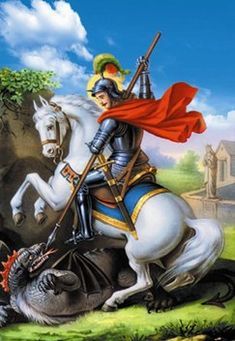
Saint George is venerated as an early Christian martyr and one of the most celebrated saints in the world. Revered for his courage and steadfast faith, he is honored as the patron saint of England, Georgia, and several other countries and regions. Though historical details about his life are limited, tradition states that he was born in Cappadocia around 275 AD and served as a soldier in the Roman army.
During the persecution of Christians under Emperor Diocletian, George refused to renounce his faith and was martyred around 303 AD. Over the centuries, he became closely associated with the legendary tale of Saint George and the Dragon, symbolizing the triumph of good over evil and faith over fear.
His legacy continues to inspire devotion across cultures, and his feast day on April 23rd is celebrated widely most notably as a national day of significance in England.
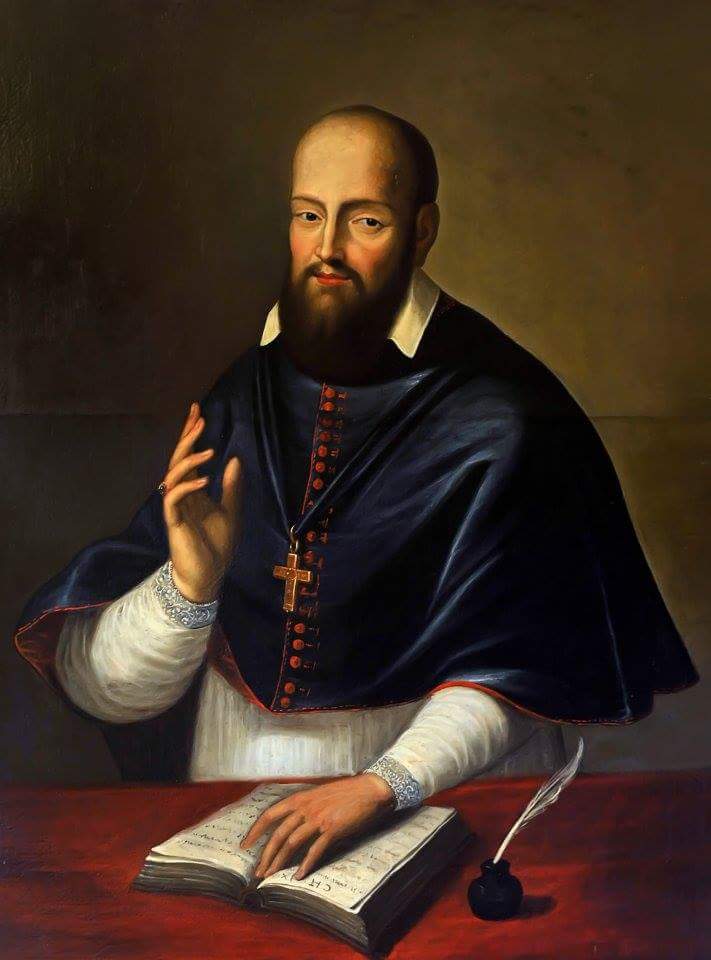
St. Francis de Sales was a Catholic bishop, spiritual writer, and prominent figure of the late 16th and early 17th centuries. Renowned for his patience, gentleness, and pastoral wisdom during the Protestant Reformation, he became one of the Church’s most influential spiritual guides. His celebrated work, Introduction to a Devout Life, emphasizes that holiness is attainable for people in all walks of life. He is honored as a Doctor of the Church and serves as the patron saint of journalists, writers, educators, and the deaf.
Birth and Education
Born on August 21, 1567, in Savoy, France.
Studied law and theology at the University of Padua, earning a doctorate.
Ministry
Ordained a priest in 1593.
Appointed Bishop of Geneva in 1602, though he resided in Annecy due to the city being under Protestant control.
Dedicated his ministry to reconciling people in the Chablais region to the Catholic faith through preaching, personal outreach, and compassionate dialogue.
Religious Order
Co-founded the Congregation of the Sisters of the Visitation of Holy Mary in 1610, together with St. Jane Frances de Chantal, emphasizing humility, simplicity, and charity.
Death
Died on December 28, 1622, in Lyon, France.